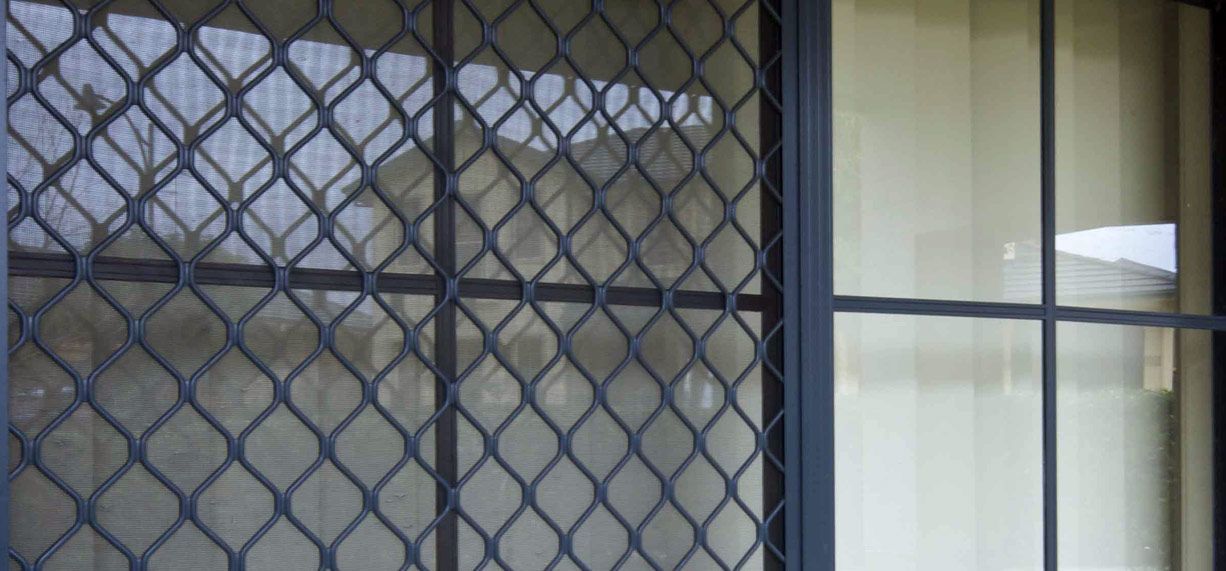
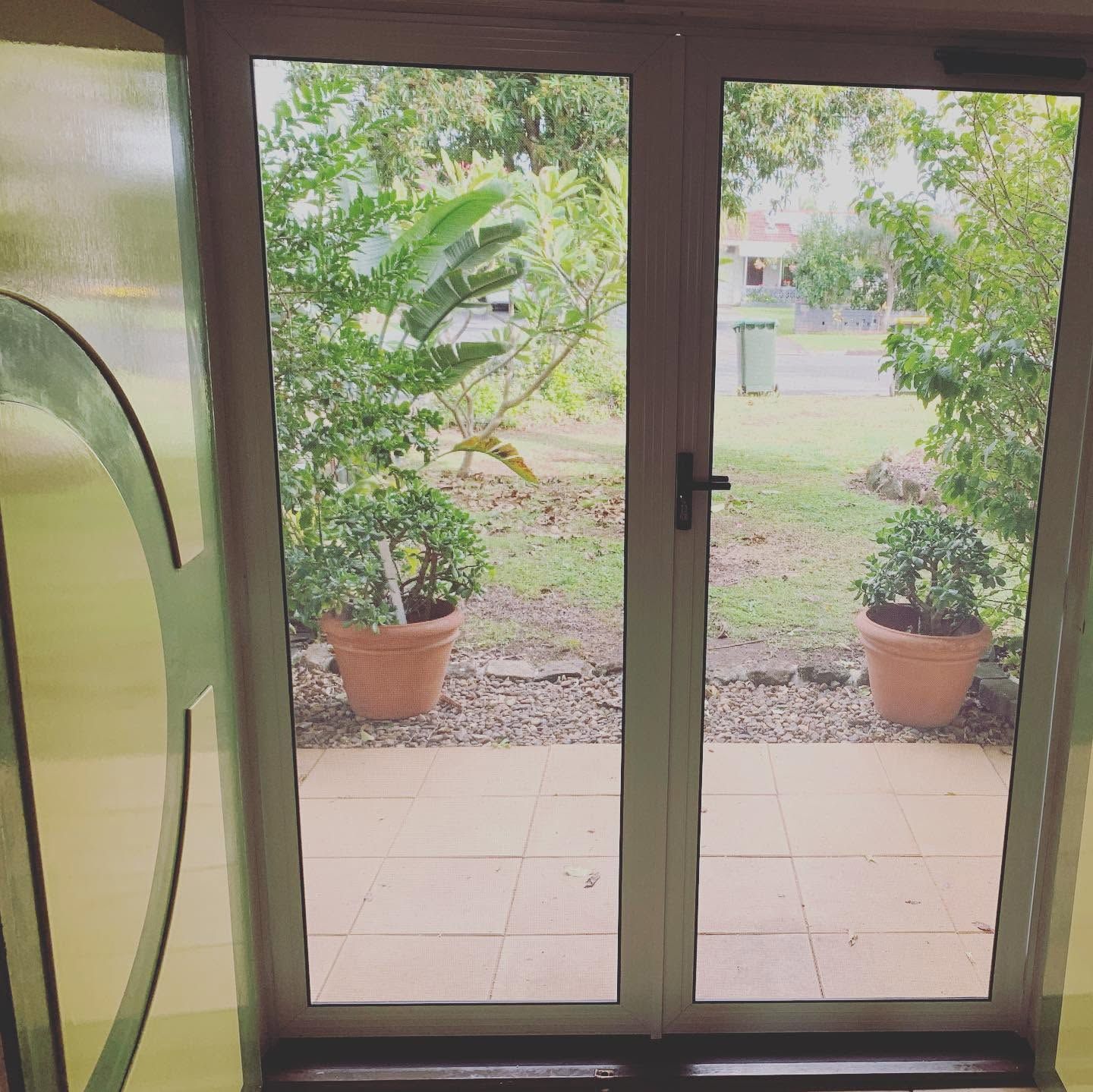
Different Types Of Fly Screens Explained (Fixed, Sliding, Retractable)
Choosing the right fly screen comes down to how the window or door operates, how often you need access, and how discreet you want the screen to be. For Gold Coast homes, fixed, sliding and retractable screens each offer practical insect protection while allowing natural airflow through the property.
If you’re comparing
fly screens Gold Coast homeowners can use on windows and doors, understanding the differences between these three designs will help you choose a system that suits the opening rather than simply selecting a screen based on appearance.
What Is a Fly Screen and How Does It Work?
A fly screen is a framed or retractable mesh barrier fitted over a window or door opening. The mesh allows air to move through while creating a physical barrier against flies, mosquitoes and other insects.
The basic principle is simple, but the construction varies considerably. A screen may sit permanently within a window frame, slide along a track, or roll neatly into a cassette when it isn't required.
Mesh choice also matters. Different fly screen mesh types can suit different priorities, including visibility, airflow, durability and exposure to coastal conditions. Frame and mesh materials should therefore be considered alongside the way the screen opens and closes.
Fixed Fly Screens: Pros, Cons and Best Uses
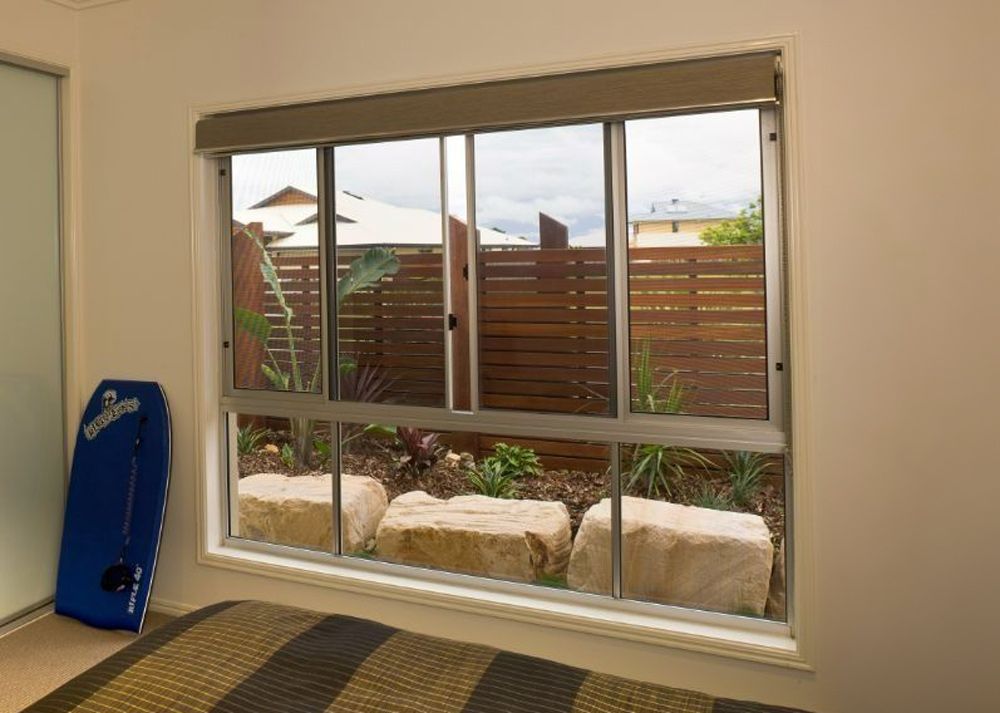
Fixed fly screens sit securely within the window opening and remain in position during normal use. They are one of the simplest options for windows where homeowners want consistent insect protection without regularly moving the screen.
What are the advantages of fixed fly screens?
Fixed screens have few moving components, making them straightforward to use and maintain. They are particularly practical for windows where access through the opening isn't necessary.
Their main advantages include:
- Simple, unobtrusive construction
- Continuous insect protection while installed
- No tracks or retracting mechanisms to operate
- Suitability for many common window configurations
- Relatively straightforward cleaning and maintenance
The main limitation is flexibility. Because the screen stays in place, it isn't ideal where you regularly need unobstructed access through the opening or want the mesh completely hidden at certain times.
For example, a homeowner replacing screens across several bedroom windows may choose fixed screens because those windows primarily provide ventilation rather than access. A larger entertaining-area opening, however, could benefit from a different system.
Sliding Fly Screens: Pros, Cons and Best Uses
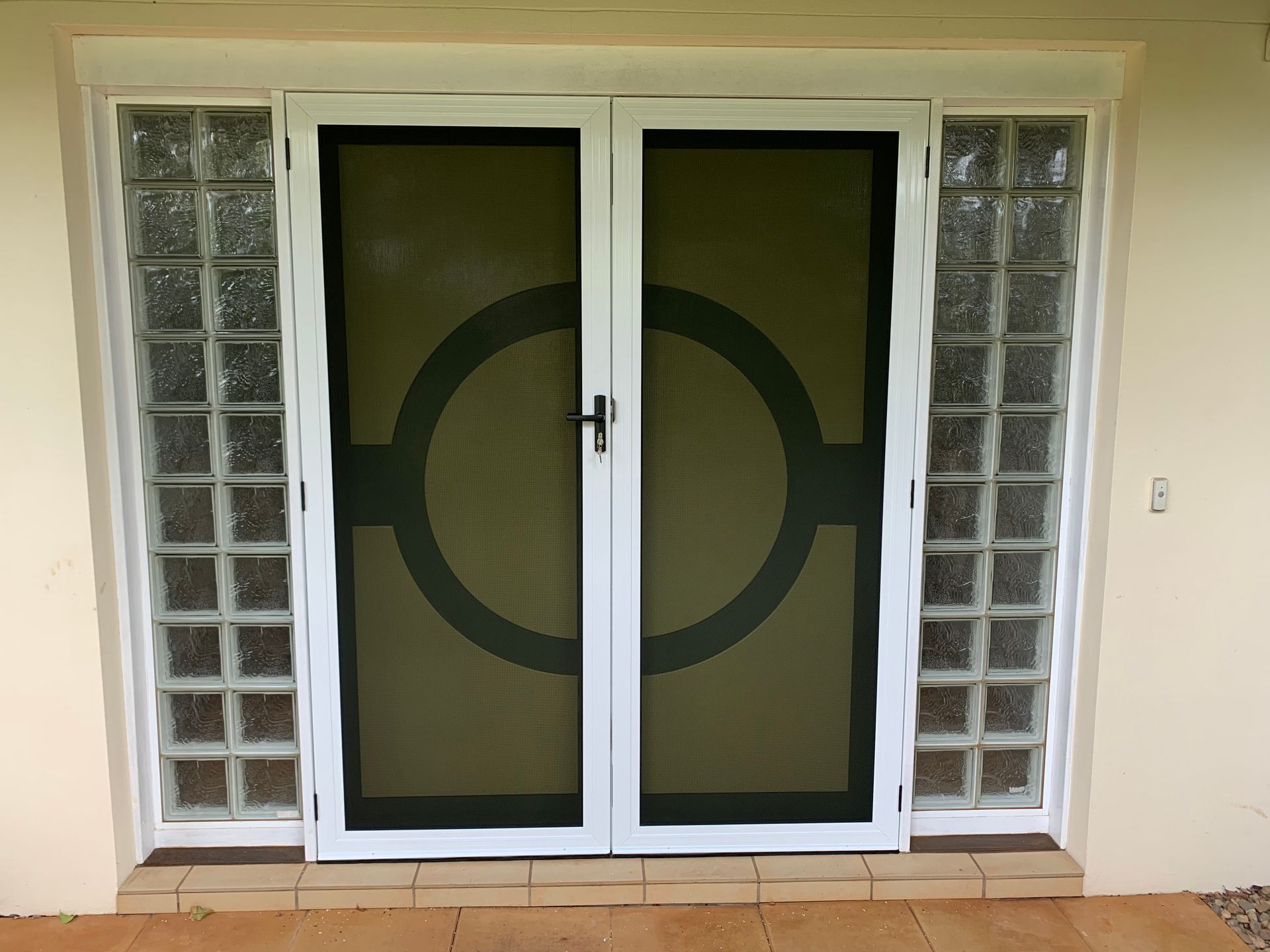
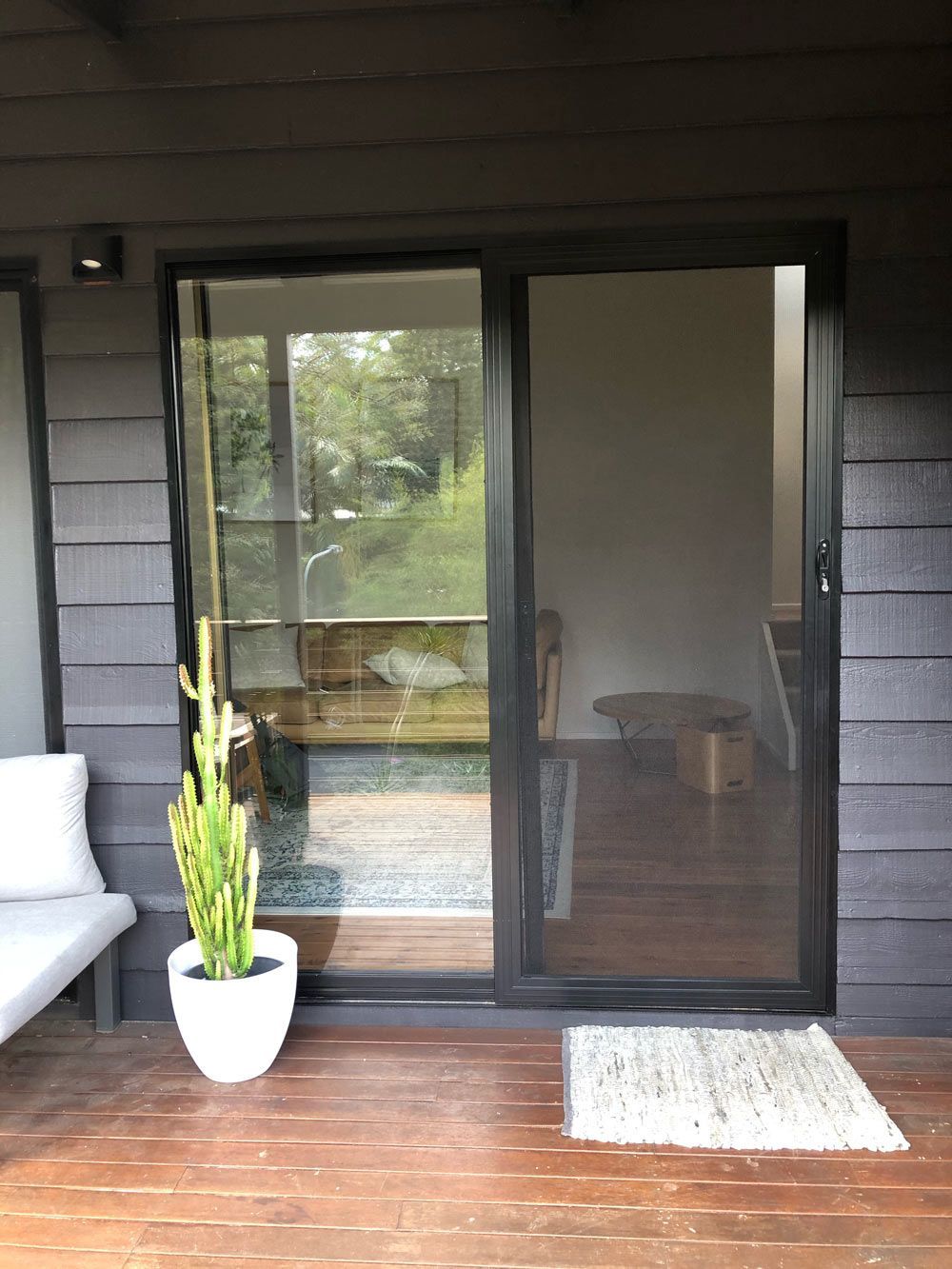
Sliding fly screens move horizontally along a track, allowing you to open and close the screened section as required. They commonly accompany sliding windows and doors because their operation matches the existing opening.
A properly fitted sliding screen provides convenient insect protection without making everyday access difficult. Sliding styles are particularly useful for fly screen doors, where people need to move through the opening regularly.
What are the advantages of sliding fly screens?
The main advantage is practicality. You can slide the screen aside when you need access and close it again when you want ventilation without inviting insects indoors.
Potential drawbacks generally relate to the moving components. Tracks can collect dirt, pet hair, sand and other debris, while rollers or guides may eventually require adjustment. Correct measurements and installation are also important because a poorly aligned screen can become difficult to operate.
According to industry best practice, keeping tracks clean and addressing alignment problems early helps sliding screens continue to move smoothly.
Retractable Fly Screens: Pros, Cons and Best Uses
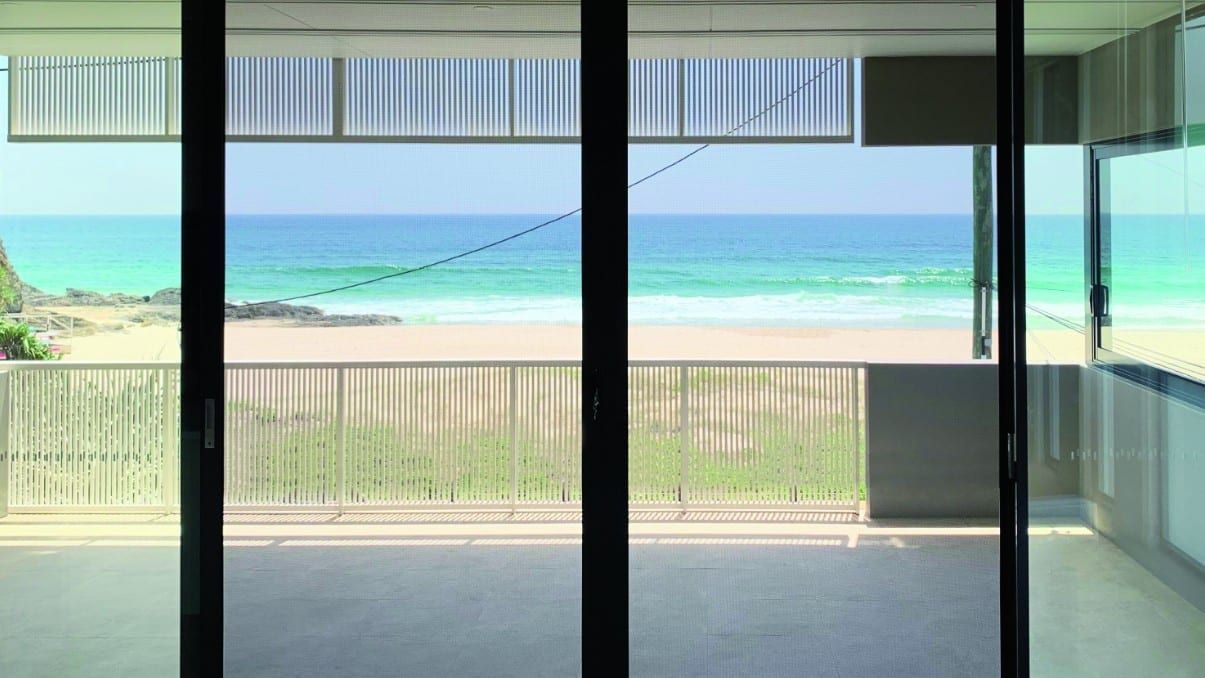
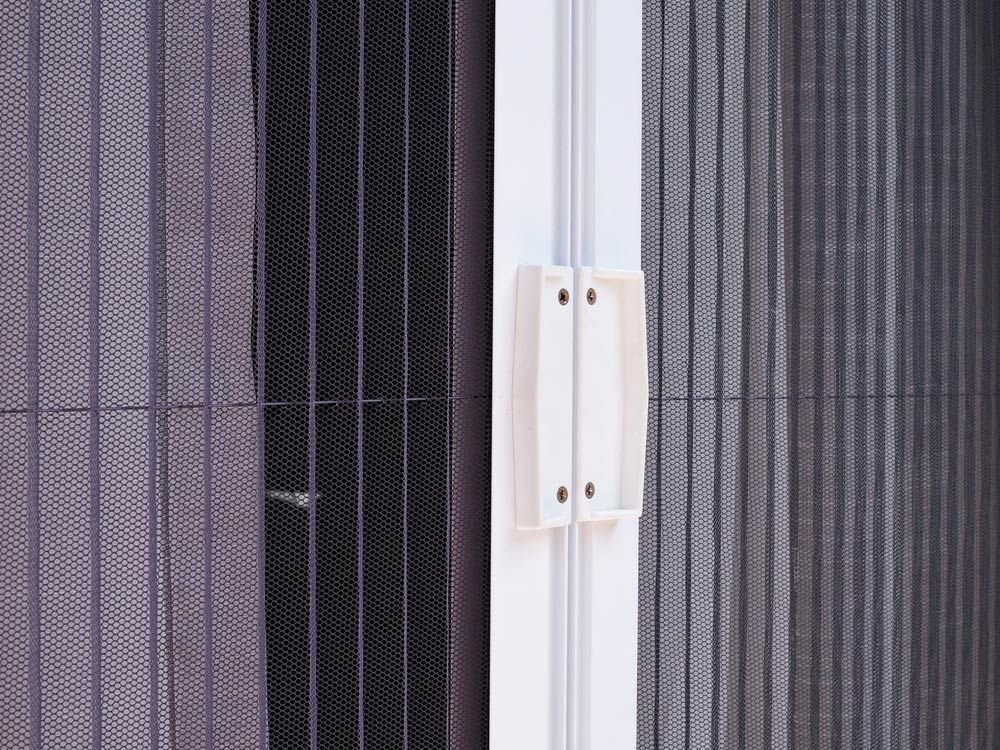
Retractable fly screens use flexible mesh that extends across an opening when needed and retracts into a housing or cassette when not in use. They offer a particularly discreet solution because the mesh doesn't have to remain visible permanently.
This design can work well where maintaining views or the appearance of an opening is important. Depending on the system and opening, retractable screens can be considered for windows, doors and larger architectural openings.
Why choose retractable fly screens?
Retractable systems provide flexibility. When insect protection isn't needed, the screen can be stored away rather than remaining across the opening.
Advantages can include:
- Minimal visual impact when retracted
- Flexible use when insect protection is only occasionally required
- Suitability for selected larger or less conventional openings
- A clean appearance for contemporary homes
However, retractable screens contain more moving components than basic fixed screens. Correct installation, careful operation and maintenance of the mechanism are therefore important.
They can also involve a greater initial investment than simpler screen types, depending on the dimensions and system selected.
Fixed vs Sliding vs Retractable: Key Differences at a Glance
The biggest difference between fixed, sliding and retractable fly screens is how they interact with the opening.
| Screen type | How it works | Often suited to | Main consideration |
|---|---|---|---|
| Fixed | Remains in position | Frequently ventilated windows | Doesn't retract or slide away |
| Sliding | Moves along a track | Sliding windows and doors | Tracks and rollers need maintenance |
| Retractable | Mesh extends and stores in a cassette | Openings where flexibility and appearance matter | More moving components |
There isn't one screen type that suits every Gold Coast property. The best fit depends on the existing window or door, opening dimensions, frequency of use, desired appearance and environmental exposure.
The mesh and frame construction can be equally important. Homeowners considering material durability may also benefit from
comparing screen door materials before making a final decision.
Choosing the Right Fly Screen for Modern vs Older Homes
Modern and older homes can both benefit from effective fly screens, but the appropriate installation approach may differ.
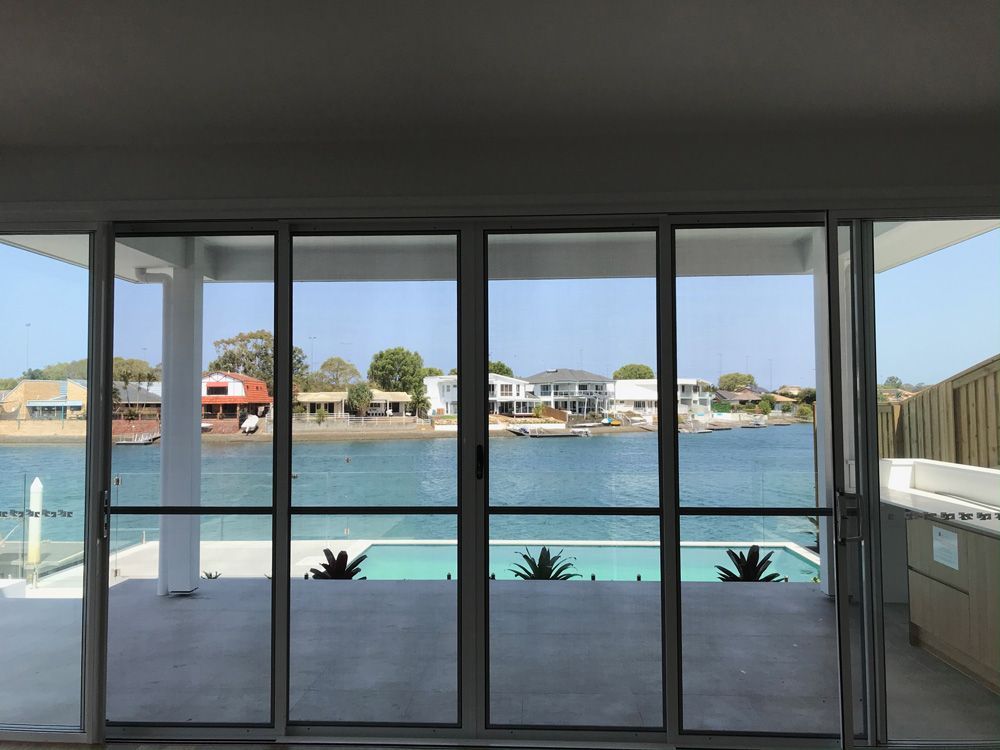
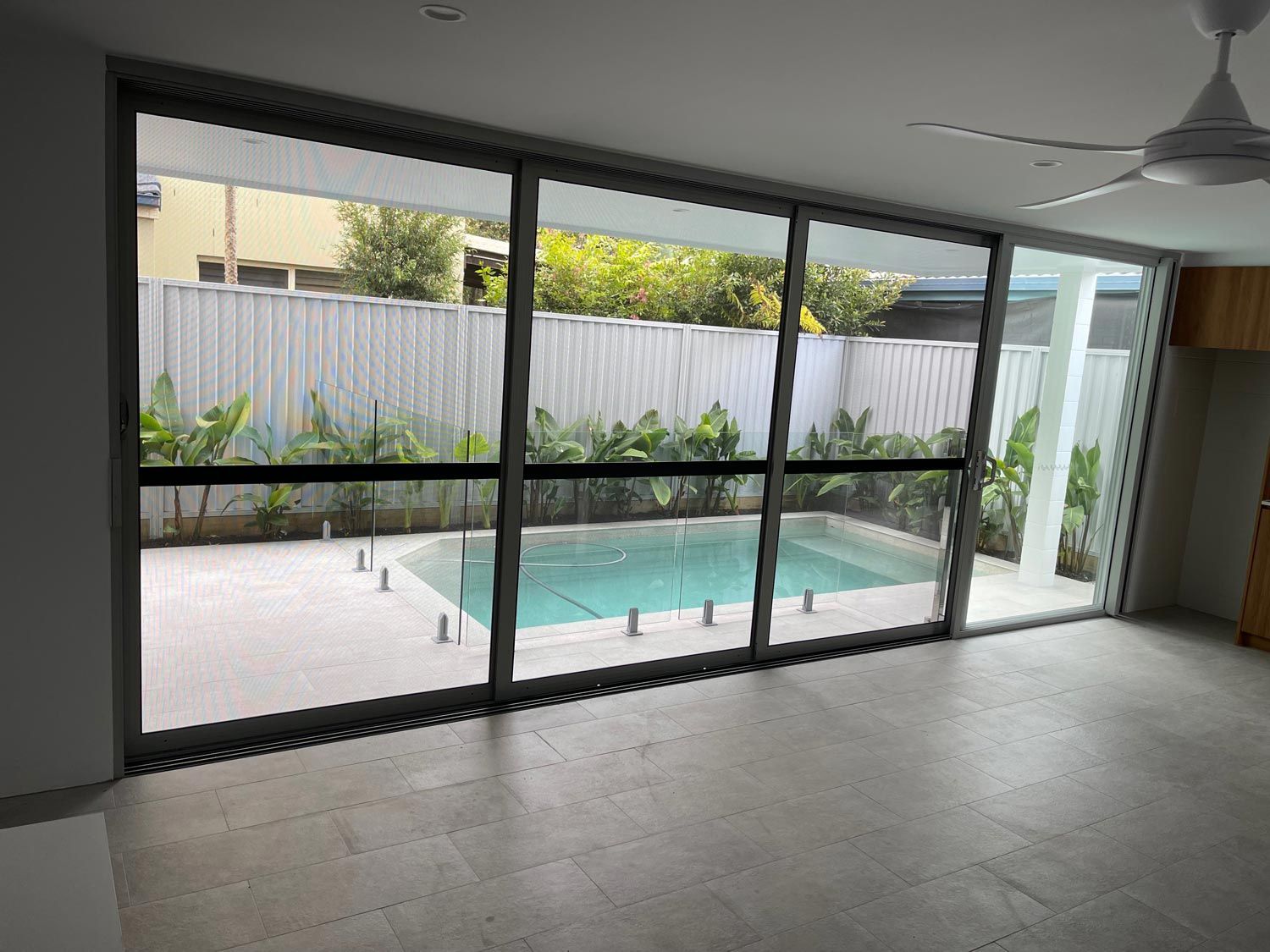
Contemporary homes often feature larger glass areas, wide sliding doors and architectural openings designed to maximise natural light and outdoor connections. Sliding or retractable systems may complement these designs where homeowners want convenient access or less visible screening.
Older properties can have a wider variety of window dimensions, frame conditions and opening mechanisms. Rather than assuming an off-the-shelf screen will fit, it is important to assess each opening and determine how the screen can be securely installed without interfering with window operation.
This is especially relevant during renovations. Existing frames may have been modified, painted or repaired over the years, so accurate measurement is essential before manufacturing replacement fly screen windows on the Gold Coast.
Installation and Maintenance Considerations
Good fly screen performance depends on more than choosing between fixed, sliding and retractable designs. Accurate measurements, appropriate materials and correct installation all affect how well the finished screen operates.
Before selecting a system, consider:
- The exact dimensions of the opening
- How the existing window or door operates
- Available space for tracks, frames or retractable housings
- Frequency of daily use
- Exposure to coastal air, moisture and weather
- Mesh condition and replacement requirements
- Ease of cleaning and future maintenance
Fixed screens generally have fewer mechanical components to maintain. Sliding systems require attention around tracks and rollers, while retractable systems need their mesh and operating mechanism kept clean and functioning correctly.
Whichever style you select,
cleaning and maintaining your fly screens regularly can prevent debris from building up around mesh, frames and moving components. Avoid forcing a sliding or retractable screen that becomes difficult to operate, as the underlying cause may be dirt, alignment or a component requiring attention.
Which Fly Screen Type Is Right for You?
Choose a fly screen based first on the opening and how you use it. Fixed screens are a practical choice for many windows that mainly provide ventilation, sliding screens make sense where the window or door already operates along a track, and retractable screens provide greater flexibility when you want the screen hidden between uses.
For Gold Coast properties, it is also worth considering environmental exposure, mesh choice and how frequently the opening will be used. A screen installed near the coast, on a busy family doorway or across a rarely opened bedroom window may have very different requirements.
Suburban Security Screens can help assess your windows and doors and recommend a screen configuration suited to the opening and your day-to-day needs. Contact our team to discuss measurements, mesh options and the most practical fly screen system for your Gold Coast home, renovation or building project.
Frequently Asked Questions About Fly Screens
What type of fly screen is best for windows?
Fixed fly screens are a practical option for many windows because they provide ongoing insect protection with minimal moving parts. However, the right choice depends on the window style, how often you need access through the opening and whether you want the screen to disappear when not in use.
Are retractable fly screens better than fixed screens?
Retractable and fixed screens serve different purposes. Retractable screens can be stored away when they aren't needed, while fixed screens provide a simple, permanently positioned barrier with fewer moving components.
Can you put fly screens on sliding doors?
Yes. Sliding fly screens are commonly used with sliding doors because the screen can travel along a track while maintaining convenient access. The frame, rollers and track need to be correctly fitted for smooth operation.
What fly screen mesh types are available?
Fly screen mesh is available in different materials and specifications designed around factors such as airflow, visibility, insect protection and durability. The appropriate mesh depends on the opening, environmental exposure and what you expect from the screen.
How often should fly screens be cleaned?
Cleaning frequency depends on the property's environment and how quickly dust, salt, dirt or debris accumulates. Inspect the mesh, frames and tracks periodically and clean them when buildup becomes visible or starts affecting screen operation.
Can old windows have new fly screens installed?
In many cases, yes. Older windows can often be fitted with replacement or custom-made fly screens, but the existing frame, dimensions and opening mechanism should be assessed first to determine an appropriate solution.