Key Features That Define A Strong, Long-Lasting Screen Door
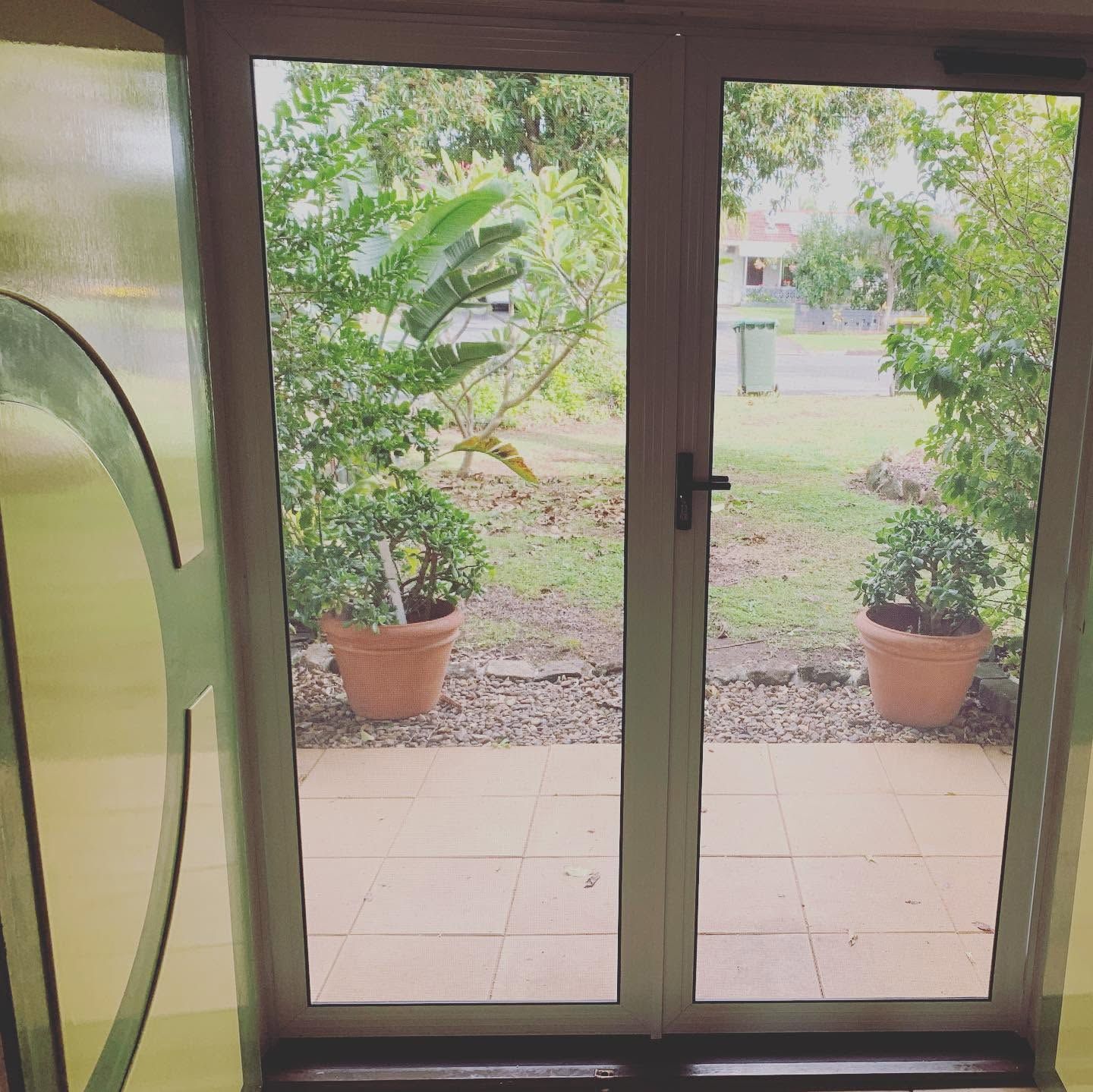
A screen door does a straightforward job — keep insects out, let air in, and provide an additional layer of separation between the inside of a home and the outdoors. But not all screen doors do that job equally well, and the difference between a door that holds up for a decade and one that starts failing within a few years comes down to specific features that are easy to overlook when buying on appearance or price alone. Understanding what contributes to durability, security, and long-term performance helps homeowners make a more informed choice — whether replacing an ageing flyscreen or upgrading to something more robust.
Frame Material and Construction
The frame is the structural backbone of any screen door, and its material and construction determine how well the door holds its shape, resists corrosion, and performs under daily use over time.
Aluminium is the most widely used frame material in Australia — lightweight, corrosion-resistant, and stable across varying temperatures. Frame quality varies considerably though, and thinner extrusions are more prone to bending or warping under impact or repeated use. Steel frames offer greater strength and are used in higher-grade security screen doors where impact resistance is a priority.
For screen doors on the Gold Coast, where salt air and UV exposure are constant factors, these material and construction details carry more weight than they might in a milder inland climate.
What to look for:
- Heavy gauge extrusions rather than thin-walled profiles
- Welded or mechanically fastened corner joints rather than plastic inserts, which weaken over time
- Powder coat finish covering all surfaces including cut edges and joins
- Corrosion-resistant hardware — hinges, screws, and closers suited to the local environment
Mesh and Panel Options — Flyscreen vs Security Screen
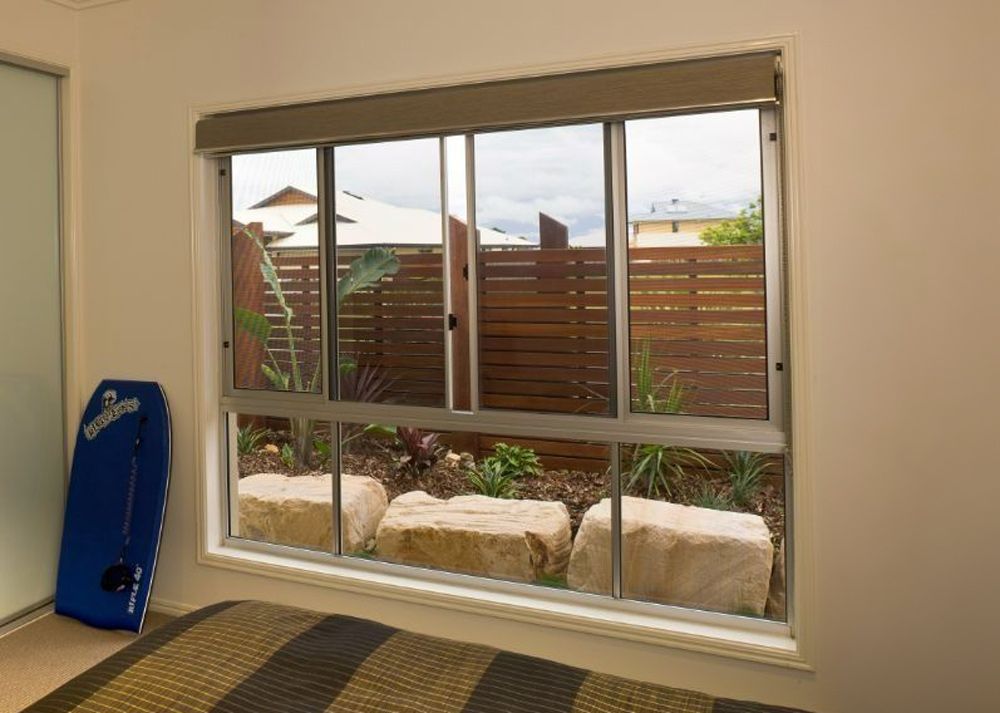
The mesh or panel is where the door earns its keep. Standard flyscreen mesh — typically fibreglass or aluminium — keeps insects out and allows good airflow but isn't designed to resist impact, forced entry, or sustained pressure. For homeowners whose primary concern is ventilation and insect protection, it's adequate. For those prioritising security, pet resistance, or longevity, it falls short.
Security screen panels are a different product category. Screen doors on the Gold Coast that need to perform in a coastal environment with higher security expectations are typically fitted with one of the following:
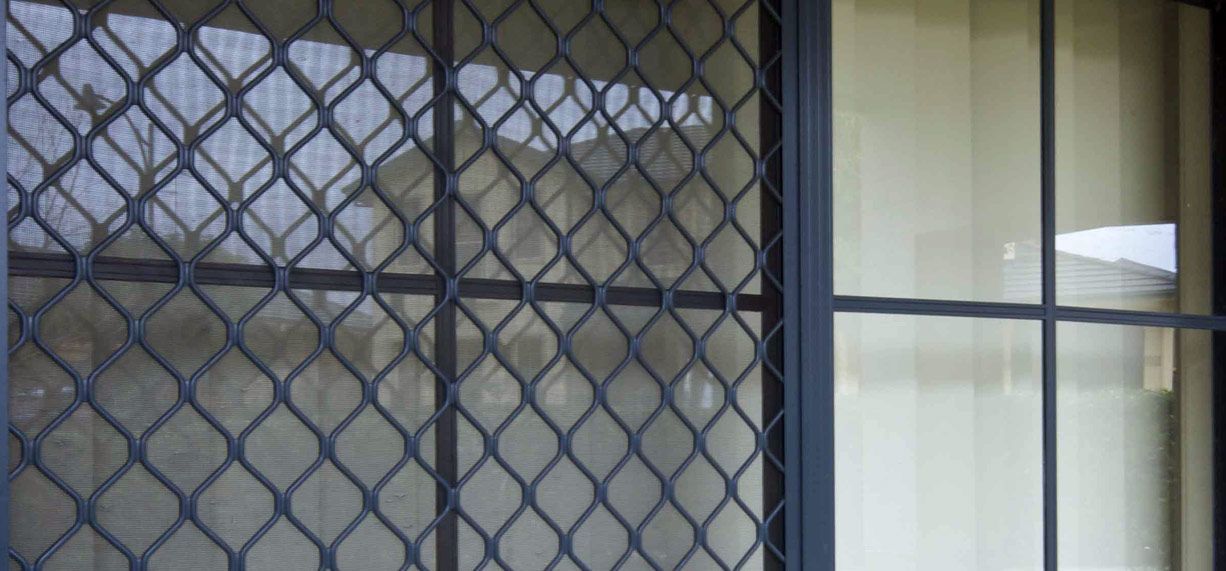
- Stainless steel woven mesh — typically 316-grade marine stainless, difficult to cut or push through, with good airflow and visibility
- Aluminium perforated panels — punched aluminium that provides a solid, impact-resistant barrier while still allowing ventilation
- Crimsafe or similar branded systems — proprietary products designed to prevent mesh being kicked out of the frame, a common failure point in lower-grade doors
For security screens on the Gold Coast, a high-grade mesh held in place by a standard rubber spline can still be defeated by removing the spline — which is why quality security screen systems use screws, clamps, or proprietary fixings to secure the mesh directly to the frame.
Locking Systems and Security Hardware
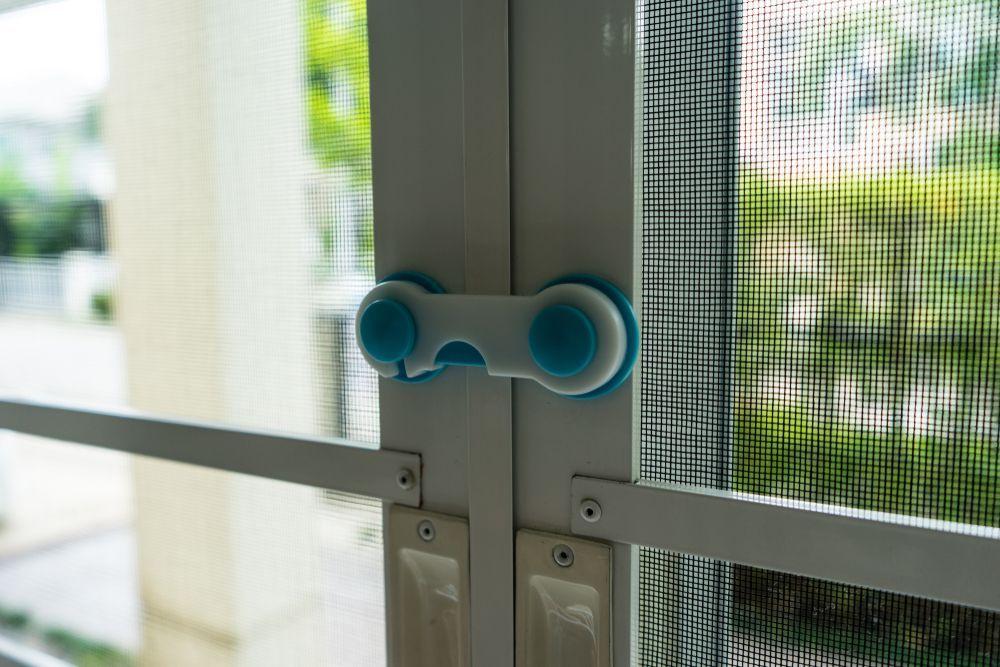
The gap between a basic single-point latch and a multipoint locking system is significant in terms of forced-entry resistance. Basic screen doors use a simple latch that engages at one point on the frame — adequate for keeping a door closed but offering minimal resistance to being forced open.
Multipoint locking systems engage at two or more points along the door frame, distributing force across the perimeter and making the door considerably more resistant to impact. These systems are standard on quality security screens on the Gold Coast and worth the investment for any door serving as a primary entry point.
Additional hardware to consider:
- Deadbolts or key-lockable handles rather than push-button latches reachable through the mesh
- Anti-lift devices to prevent the door being lifted off its hinges from outside
- Concealed or fixed-pin hinges rather than exposed hinges with removable pins
Installation Quality and Frame Fit
A high-quality screen door fitted poorly will underperform a mid-range door fitted well. The fit between the door and the frame is critical — gaps that are too wide allow insects through regardless of mesh quality, and a door that isn't plumb will bind on the frame and wear unevenly over time.
Fixings should be appropriate for the substrate — masonry anchors for brick or rendered walls, structural screws for timber frames. For security screens on the Gold Coast, sealants around frame perimeters should be UV-stable and rated for exterior use to prevent degradation and water ingress.
Signs of a Poor-Quality Screen Door
Several indicators suggest a screen door is unlikely to perform well over time:
- Lightweight, thin-walled frame profiles that flex under pressure
- Plastic corner joints rather than welded or mechanically fixed connections
- Standard rubber spline mesh fixing on a door marketed as a security screen
- Single-point latch systems on doors intended for primary entry points
- No compliance markings — quality security screen doors should meet AS 5039, the Australian Standard for security screen doors and window grilles
The price point is often a signal. A door priced significantly below comparable products is usually making compromises in frame weight, mesh grade, or hardware quality. For anyone investing in security screens on the Gold Coast, checking compliance markings, asking about mesh fixing methods, and comparing frame weights helps filter out products unlikely to perform long term.
Climate Considerations and Maintenance
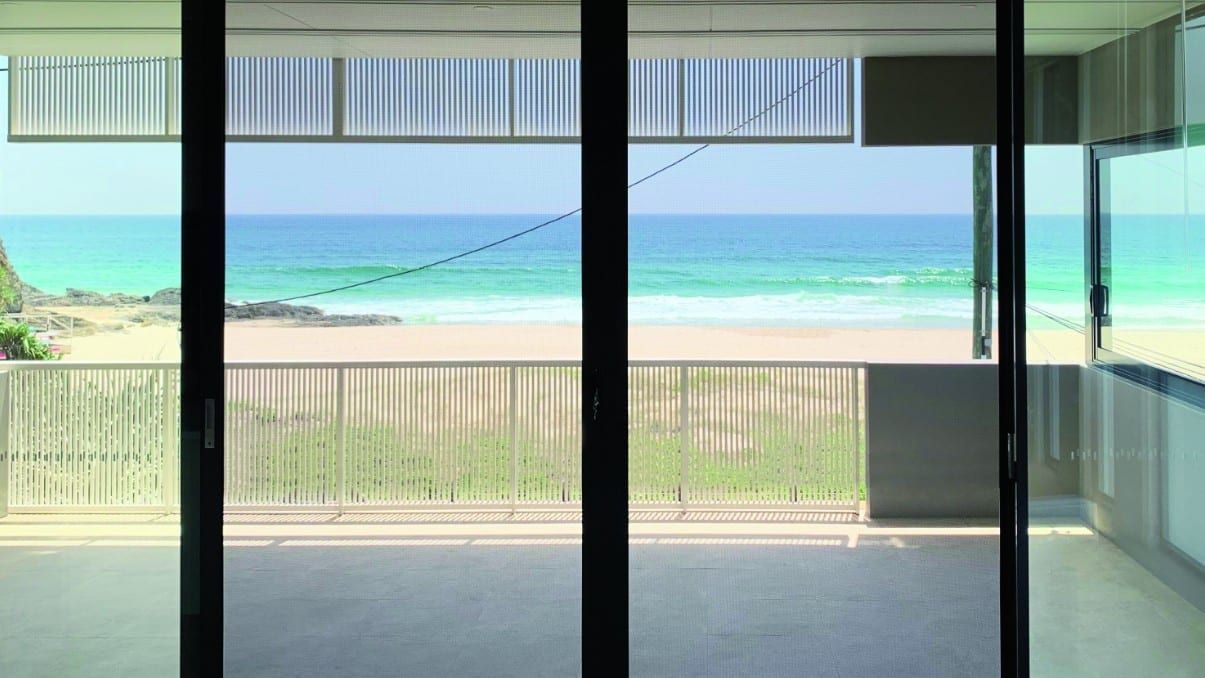
Screen doors on the Gold Coast face a specific set of environmental challenges — salt air, UV exposure, and high ambient humidity — that should directly influence material and finish choices. In these conditions, 316-grade stainless steel mesh outperforms standard alternatives, marine-grade powder coat or anodised aluminium frames hold up better than standard finishes, and UV-stable seals and gaskets maintain integrity longer under direct sun.
Even a well-made door benefits from basic upkeep. A practical maintenance routine includes:
- Regular mesh cleaning — salt, dust, and organic matter accelerate corrosion if left in place. A rinse with fresh water every few months is sufficient, with more frequent attention in coastal locations.
- Lubricating hinges and closers — keeps moving parts operating smoothly and reduces wear on pivot points.
- Inspecting seals and gaskets — replace when showing signs of cracking or compression loss to maintain the insect seal.
- Checking fixings and frame connections — screws and anchors work loose over time, particularly on high-use doors.
Get in Touch
At Suburban Security Screens, we supply and install screen doors and security screens on the Gold Coast for homeowners who want a product that performs well and lasts. Whether you're looking for a basic flyscreen replacement, a security-grade door for a primary entry point, or advice on the right product for a coastal environment, our team is happy to talk through the options and help find a solution that suits your home and budget. Get in touch to arrange a measure and quote or to ask any questions about screen doors on the Gold Coast and what's right for your property.